

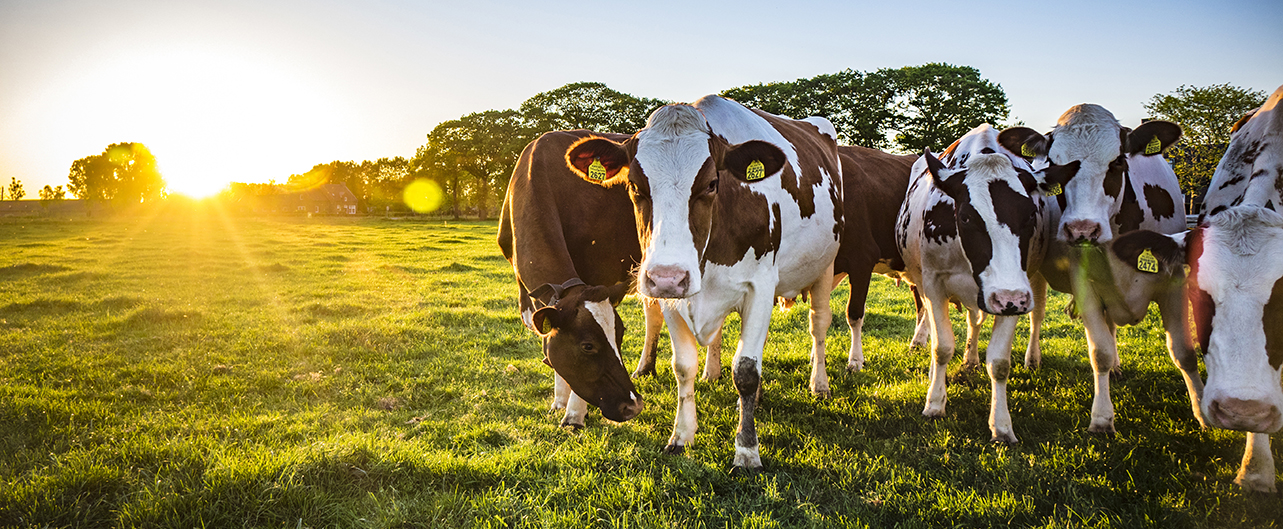
Impact and Risks of Reproductive Health
Cattle reproduction management influences the herd performance and subsequently farm profitability. Cattle reproduction management requires planning and utilizing the available farm resources efficiently, which impacts the sustainability of both the farm and the community.

Wellbeing
To achieve optimum herd performance, the health and wellbeing of the cattle are crucial. Adequate nutrition, comfortable conditions, and proper management practices are among the many things that will prevent disease, boost fertility, and keep enhancing production and cattle wellbeing.

Diseases & Disorders
Cattle breeding management requires an appropriate reproductive health status of the herd. Diseases and reproductive disorders affect the overall health of the herd, so a good disease prevention strategy becomes paramount. Cattle reproduction relies on the prevention of bovine diseases that can lead to infertility, abortion, stillbirth, and other disorders.
Management


Reproductive Physiology
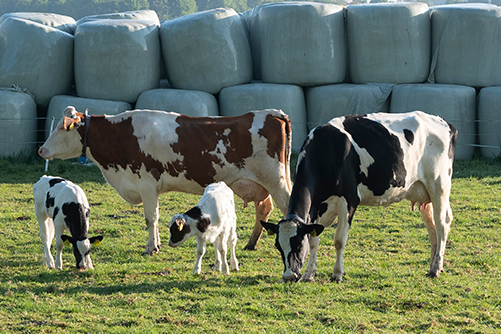
Understanding the reproductive physiology of cows, bulls and heifers, the hormonal pathways and interactions, the female estrus cycle, and the direct and indirect interaction of the cow’s environment (i.e., nutrition, housing, etc.) are key to achieving excellent herd reproductive performance.